

Java has become more than just a wake-up habit; it is a universal trend that brings individuals together and fuels their everyday activities. With a wide array of brewing methods and flavors, coffee beans offer an incredible versatility that caters to all tastes. From the rich intensity of a newly made espresso to the smooth, refreshing notes of a iced coffee, the story of coffee beans is fascinating and satisfying.
When selecting the best coffee, many enthusiasts gravitate towards arabica coffee due to its subtle flavors and aromatic qualities. Whether you are seeking the best rated coffee beans for your kitchen or exploring newly roasted coffee selections from a premier coffee supplier, each variety of bean, like arabica coffee or robusta beans, offers distinct features that can transform your coffee enjoyment. With the rise of artisan coffee stores and online coffee bean retailers, finding the best coffee beans in the world has never been simpler. So, let's dive into the rich realm of coffee beans and discover how they can accommodate various occasions and occasion.
Investigating Café Bean Varieties
Café beans come in a selection of types, each providing distinct tastes and profiles that appeal to varied palates. The most well-known types are Arabica beans and Robusta beans. Arabica coffee are known for their delicate, complex tastes and clean finish, making a favorite among coffee enthusiasts. CoffeeHype thrive in higher altitudes and are widely regarded as the finest coffee beans due to their exceptional quality. On the contrary side, Robusta beans have a stronger, more bitter flavor and greater caffeine concentration, thus making them suitable for espresso blends.
When it comes to the finest coffee in the world, Arabica tends to dominate. These coffee beans showcase detailed flavor notes that can feature fruity, floral notes according to the region w here they are cultivated. Countries like Ethiopia, Colombia, and Guatemala produce some of the highest quality Arabica. Coffee companies focus on acquiring high-quality beans from these regions to ensure quality and freshness, providing consumers the opportunity to enjoy the richness of various backgrounds.
In supplement to Arabica and Robusta beans, there are numerous less widely known but remarkable coffee types to discover. For example, Liberica and Excelsa beans deliver unique tastes that can significantly improve the coffee experience. While they may not be as easily found, sampling unique combinations can lead you to novel discoveries. Whether you are a fan of blonde roast coffee or favor the strength of dark roast coffee, understanding the varied types of beans will aid you find the good coffee that fits your preferences.
Brewing Methods & The Influence
The brewing technique used for coffee can significantly affect the flavor profile and overall experience of the drink. Various methods draw out unique qualities from the coffee beans. For instance, an espresso maker uses high pressure to extract concentrated flavors rapidly, resulting in a rich and intense shot that highlights the intricacies of Arabica coffee beans. On the other hand, a French press allows for a longer steeping time, which leads to a fuller body and robust taste, making it an great choice for those who appreciate good coffee.
Iced coffee is another popular technique that emphasizes smoothness and low acidity. By steeping coffee beans in cold water for an elongated period, usually 12 to 24 hours, the resulting drink provides a refreshing and mellow flavor profile. This method is particularly suited for bean coffee made from freshly roasted coffee beans, as it allows the natural sweetness of the coffee to shine without the bitterness some brewing techniques can produce. Those looking to purchase coffee beans for cold brew should seek out lighter roast options, as they often produce smooth and complex flavors.
Lastly, pour-over methods have gained traction among coffee enthusiasts for their ability to manage the flow rate and extraction time. Using CoffeeHype pouring techniques, baristas can highlight specific flavors in high-quality arabica coffee. This careful attention to detail can elevate even the best coffee beans to a new level, creating a personalized cup that reflects individual palate preferences. Exploring different brewing techniques can lead to discovering the best coffee in the world and help coffee lovers understand the versatility of their favorite beans.
Identifying the Best Beans for Your Taste
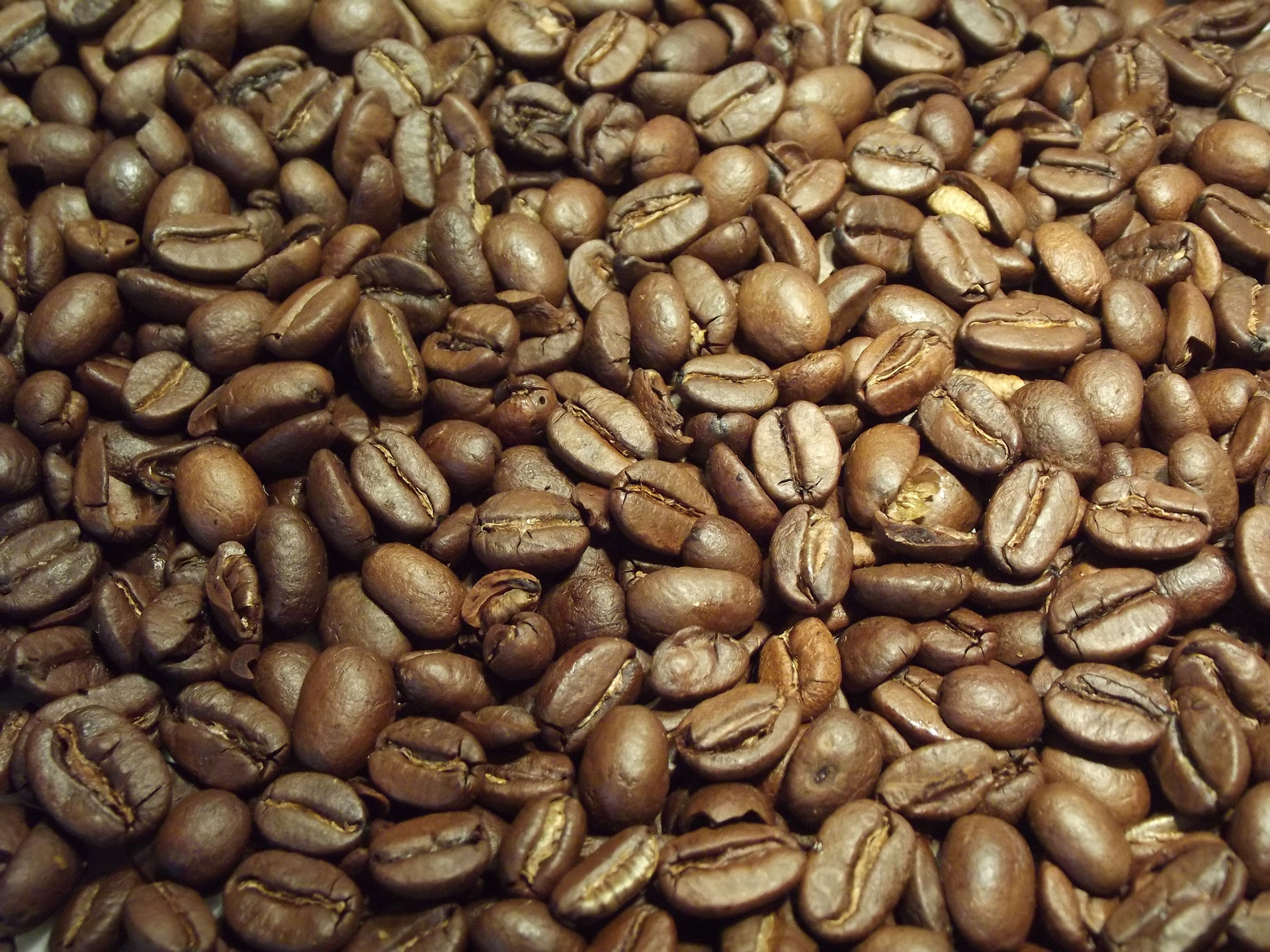
When it comes to picking the top beans for coffee, individual preference plays a crucial role. The pair most prevalent types of coffee beans are Arabica beans and Robusta, with Arabica being recognized for its smooth, complex flavors. Many coffee lovers consider Arabica to be the top coffee for its deep aromatic qualities and lower acidity. If you prefer subtle flavors, lightly roasted coffee made from premium Arabica beans may be your ideal choice, providing lively notes and a crisp finish.
For those who value a robust flavor profile, darkly roasted coffee is often suggested. Darkly roasted beans provide a intense taste with a full body, making them a preferred choice among serious coffee drinkers. Additionally, roasters that focus on fresh roasted coffee beans can noticeably enhance the overall experience. When looking for the finest coffee beans in the world, consider discovering highly-rated coffee companies that obtain their beans ethically and focus on quality in their roasting process.
Finally, browsing coffee beans online can open up a world of options. From freshly roasted coffee to unique blends developed by skilled baristas, the variety is broad. Always keep in mind to try various roasts and bean origins to find the perfect match for your taste. Whether it’s the cheapest coffee option or the highest-rated coffee beans, the journey to discovering your favorite brew is as pleasurable as the coffee itself.